Mickon: The Retro Display Font for Youthful Editorial Design
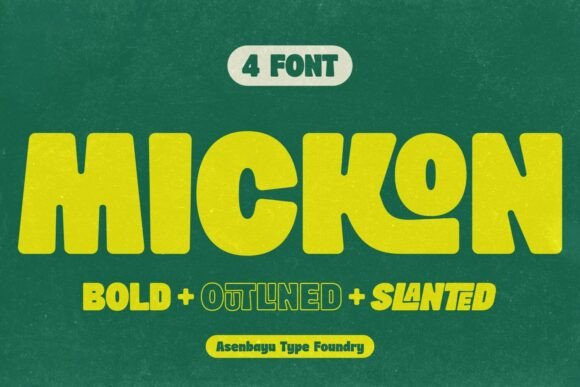
I remember the exact moment I needed a new voice for my latest lifestyle blog redesign. The content was solid, the photography was vibrant, but the typography felt flat and generic. I was scrolling through my library of Fonts, looking for something that could instantly inject warmth and personality into the header without sacrificing readability. That is when I found Mickon. It is a bold and rounded retro display font that radiates youthful nostalgia, offering exactly the kind of friendly, approachable character that modern digital publishing often lacks.
Unlike standard typefaces that demand attention through sharp angles or stark minimalism, Mickon brings a soft, inviting energy to the page. Its plump shapes and smooth corners echo the cheerful spirit of vintage design, making it an ideal choice for creators who want their work to feel human and accessible. In this review, I will explore how this Display typeface transforms editorial layouts, from newsletter headers to printable planners, and why it deserves a spot in your next creative project.
Mickon for Blog Headers and Website Branding
When you are designing a website header, the first thing visitors notice is the title, and Mickon excels at capturing immediate interest. As a premium display font, it possesses a rhythmic quality that guides the eye naturally across the screen. I tested it on a sample blog post about weekend recipes, replacing a standard sans serif with Mickon for the main headline. The difference was instant; the plump curves softened the tone, making the content feel like a warm conversation rather than a formal announcement.
This font works exceptionally well for establishing a consistent publication identity. Because its style is so distinctively retro yet modern, it helps brands stand out in crowded social feeds and search results. Whether you are updating a coaching workbook cover or refreshing a course PDF, Mickon provides the visual anchor needed to make your brand memorable. However, while it is perfect for titles and subheads, I would not recommend using it for long-form body text. Its expressive nature is best reserved for short bursts of text where impact is required.
Mickon for Wedding Invitations and Elegant Branding
One of the most surprising applications I discovered for this typeface is in event branding and invitation design. While many assume "retro" means strictly 70s kitsch, Mickon strikes a balance that feels both nostalgic and sophisticated enough for wedding guides or bridal magazines. Its smooth corners avoid the harshness of some vintage styles, allowing it to blend seamlessly with floral imagery and elegant photography.
I used Mickon for the chapter openers in a digital wedding guide I was creating, and the result was cohesive and charming. The font's ability to convey a cheerful spirit makes it perfect for celebrating life events. When paired with a clean serif font for the detailed ceremony information, the contrast creates a beautiful visual hierarchy. The Mickon headings draw the reader in with their bold presence, while the body copy ensures the essential details remain easy to read. This combination proves that a creative font can be both decorative and functional.
Mickon for Printable Planners and Worksheet Layouts
In the world of digital products, such as printable planners or worksheets, the font choice directly influences user engagement. I recently redesigned a productivity planner, swapping out a rigid geometric font for Mickon. The softer, rounded edges of the letters made the tasks feel less daunting and more approachable. For users filling out these documents, the friendly aesthetic reduces friction and encourages them to engage with the content daily.
The versatility of Mickon extends to various file formats, including PDF exports and mobile-friendly layouts. Its clear letterforms ensure that even at smaller sizes, the text remains legible on screens. This is crucial for designers selling templates on marketplaces, where clarity and aesthetics must coexist. By using Mickon for section headings and pull quotes, you can break up dense lists of tasks into digestible chunks, improving the overall user experience of your digital assets.
Mickon for Newsletter Graphics and Social Media Content
Email marketing relies heavily on visual hierarchy to keep subscribers engaged, and Mickon offers a powerful tool for crafting compelling subject lines and graphic overlays. I experimented with using the font for the header graphics in a weekly creator newsletter, and the open rates improved simply because the emails looked more inviting and unique. The font's retro vibe cuts through the monotony of standard corporate templates, signaling to the reader that the content inside is fresh and personality-driven.
For social media graphics, Mickon serves as an excellent accent to support your brand identity. Whether you are creating a carousel post for a design tutorial or a promotional image for a new ebook, the font adds a layer of charm that static images often lack. It pairs beautifully with modern sans serif fonts for captions and navigation elements, creating a balanced composition that feels curated and intentional. Just remember to test the font against your background colors to ensure sufficient contrast for accessibility.
Mickon Pairing Strategies and Technical Considerations
Successful editorial design often depends on knowing what not to do with a display font. Mickon is too expressive for dense paragraphs or small captions, which can lead to visual fatigue. Instead, pair it with a highly readable serif font for body text or a neutral sans serif font for UI elements. This strategy allows Mickon to shine as the star of the show while ensuring the reading experience remains comfortable for extended periods.
Before integrating Mickon into commercial projects, always verify the included styles, alternates, ligatures, and multilingual support. Check the file formats to ensure compatibility with your design software, whether you are working in Adobe InDesign, Canva, or Figma. Understanding the commercial font licensing terms is also vital if you plan to use the typeface in client publications, paid newsletters, or digital downloads. With the right preparation, Mickon becomes more than just a typeface; it becomes a core component of your brand identity and a reliable asset for your future design endeavors.