Bunkasai: A Japan-Inspired Display Font for Editorial Design
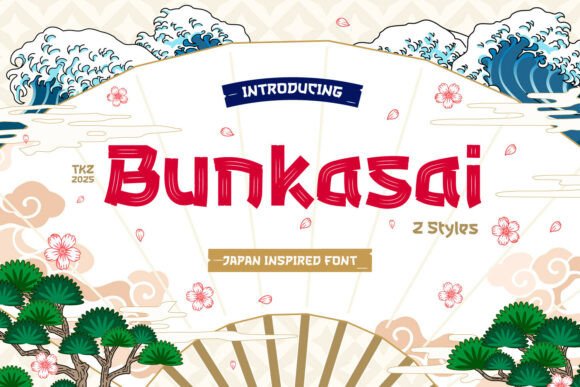
I remember the exact moment I needed a new typeface for my latest editorial project. It was a Sunday morning, and I was staring at a blank digital magazine layout for a lifestyle feature on mindful living. The body copy was ready, but the headline felt flat. Nothing about it captured the serene, organic rhythm I wanted readers to feel before they even began reading. That is when I turned to Bunkasai, a sleek, Japan-inspired display font featuring a unique bamboo-like brush stroke texture that captures the elegance of Asian design. Its handcrafted style adds a natural and artistic touch, instantly transforming the page from a standard template into a curated experience.
This isn't just another decorative typeface; it is a deliberate choice for designers who understand that typography sets the emotional tone of a publication. When you are working on high-stakes content like a wedding guide, a recipe ebook, or a premium newsletter graphic, the difference between a generic font and a character-rich display font is the difference between being read and being remembered. Bunkasai brings a specific kind of calm authority to your work, making it an essential asset for any creative professional looking to elevate their visual identity.
Bunkasai for Wedding Invitations and Elegant Branding
Bunkasai excels in scenarios where visual hierarchy must be established through mood rather than size alone. As a premier display font, its bamboo-like texture offers a sophistication that pairs beautifully with traditional serif fonts for body text. In my recent work redesigning a series of wedding invitations, I found that Bunkasai provided the perfect balance of modernity and tradition. The subtle variations in the brush strokes mimic the fluidity of calligraphy without the rigidity of a formal script font.
When used for elegant branding, this font allows brands to communicate heritage and craftsmanship. Imagine applying Bunkasai to the cover of a high-end skincare line or a boutique tea company. The handcrafted style adds a natural and artistic touch that suggests quality and attention to detail. Unlike mass-market sans serif options, Bunkasai feels personal, inviting the reader to slow down and appreciate the artistry behind the product. For luxury packaging design or editorial headers, it creates an immediate sense of exclusivity that resonates with discerning audiences.
Bunkasai for Lifestyle Blog Headers and Digital Magazine Covers
The transition from print to digital requires a typeface that remains legible while retaining its artistic integrity. I tested Bunkasai extensively on a mobile-responsive blog header for a wellness column, and the results were striking. The unique bamboo-like brush stroke texture ensures that headlines pop against complex background images without becoming unreadable. This makes Bunkasai an ideal choice for web design projects where space is limited but impact is required.
In digital magazine layouts, Bunkasai serves as a powerful anchor for pull quotes and section breaks. Because it is a display font, it should not be used for dense paragraphs or long-form reading, but it is unparalleled for guiding the eye through a story. When I applied it to a "Featured Story" banner, the handcrafted style added a layer of warmth that pure geometric fonts often lack. It transforms a standard article title into a piece of art, encouraging clicks and engagement. Whether you are designing a course PDF or a downloadable planner, using Bunkasai for chapter openers creates a cohesive narrative flow that keeps readers immersed in your content.
Bunkasai for Printable Planners and Educational Worksheets
For creators selling digital products, the perceived value of the design directly influences sales. I recently integrated Bunkasai into a set of printable planners and coaching worksheets, and the feedback highlighted how the font elevated the entire user experience. The sleek, Japan-inspired aesthetic lends a sense of order and tranquility to productivity tools, which is exactly the vibe many users seek when organizing their lives.
When pairing Bunkasai with a clean sans serif font for instructions or captions, the contrast creates a professional yet approachable look. The bamboo-like brush stroke texture acts as a visual break, preventing the white space from feeling empty. This combination supports visual hierarchy by clearly distinguishing between the functional text (body) and the inspirational elements (headings). For authors and course creators, this distinction is vital. Using Bunkasai for titles and subtitles ensures that key concepts stand out, making the content easier to scan and digest. It turns a simple worksheet into a premium design asset that users are proud to print and use.
Practical Considerations for Editorial Layouts and Font Pairing
While Bunkasai is a versatile creative font, understanding its limitations is crucial for maintaining readability. Its expressive nature means it is best reserved for short bursts of text: logos, headlines, covers, and decorative accents. Attempting to use it for body copy or small captions can quickly fatigue the reader due to the intricate details of the handcrafted style. For longer reading experiences, always pair it with a highly legible serif font or a neutral sans serif font to ensure accessibility across all devices.
Before purchasing, it is wise to check the included styles, alternates, and ligatures to ensure they meet your specific project needs. Does the font support multilingual characters if you plan to reach a global audience? Are there commercial licenses that cover client publications or paid newsletters? These practical details matter when building a sustainable library of design assets. Bunkasai offers a distinct voice that stands out in a crowded market of generic typefaces. By choosing a premium font with such a strong personality, you signal to your audience that your content is crafted with care, ensuring your brand identity remains consistent and memorable.