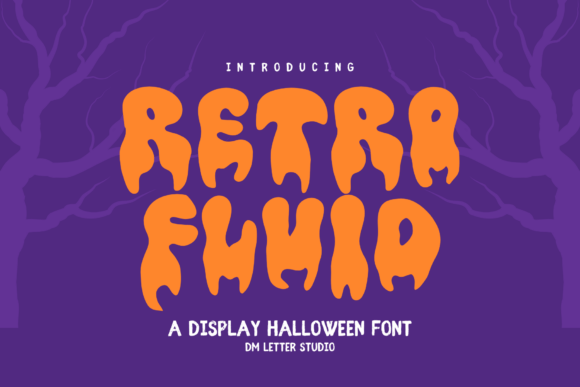
Retro Fluid Font for Vintage-Inspired Branding
I was working on a branding project for a small, locally-owned café when I first came across Retro Fluid. The brief was to create a visual identity that felt warm, inviting, and just a touch nostalgic. As I opened my design board and started testing fonts, something about Retro Fluid stood out — it had this vintage energy wrapped in smooth, flowing letterforms. The curves felt soft and bold at once, like ink spreading across glossy posters. It was the kind of font that could make a brand feel both timeless and fresh.
Retro Fluid for Café Logos and Branding Elements
When I first placed Retro Fluid on a mockup of the café logo, I noticed how the lines connected seamlessly, almost like they were drawn by hand. This gave the logo an organic, artisanal feel — perfect for a place that served handcrafted coffee and pastries. The shapes stayed open, which helped keep the text readable even at smaller sizes. For a logo that would appear on signage, packaging, and social media posts, this was a huge plus.
I used Retro Fluid as the main typeface for the café name, paired it with a clean sans-serif font for supporting text. The contrast between the two made the brand feel balanced yet unique. On the menu board, the font added character without overwhelming the information hierarchy. It worked well on both digital and printed materials, from the website header to the takeaway cup labels.
Retro Fluid in Social Media Graphics and Website Headers
One of the first places I tested Retro Fluid was in the café’s Instagram feed. I created a series of promotional graphics using the font for headlines. The curves and flow of Retro Fluid gave each post a sense of motion, making the content feel more dynamic. I also used it in the hero section of the website, where it sat above a full-width image of the café’s interior. The font didn’t overpower the visuals; instead, it complemented them with its soft, elegant presence.
The font’s display quality made it ideal for web headers, especially since it maintained clarity even when scaled up. I found that it worked best for short-form text, like taglines or call-to-action buttons. Its vintage appeal helped reinforce the café’s personality — cozy, creative, and community-focused.
Retro Fluid for Packaging Design and Product Labels
As I moved into the packaging phase of the project, I realized that Retro Fluid could bring the same warmth to product labels and takeout containers. I experimented with using it on coffee bags, pastry boxes, and even the café’s branded napkins. The font’s boldness made it stand out against simple backgrounds, while the soft curves kept the design from feeling too rigid.
I paired Retro Fluid with a minimalist serif font for the ingredient lists and nutritional info. This combination allowed the brand to maintain a consistent look across all materials, reinforcing recognition. The font’s versatility meant it could be used for both large, eye-catching elements and smaller details like the café’s address on the back of the bag.
Retro Fluid in Print Materials and Business Cards
For the café’s printed marketing materials, I used Retro Fluid in flyers, posters, and even the business cards. On the business cards, I applied the font to the front side with the café’s name and tagline. The back side featured a cleaner, more modern font for contact information, ensuring readability without sacrificing style.
The font’s ability to work well in print was impressive. Whether it was on a large poster or a tiny label, Retro Fluid always looked intentional and polished. It added a layer of sophistication to the materials, which aligned perfectly with the café’s goal of creating a welcoming, upscale experience for customers.
Retro Fluid for Editorial Design and Brand Guidelines
As the branding project progressed, I needed to establish clear brand guidelines. Retro Fluid played a central role in these documents, serving as the primary font for headings and titles. I outlined how it should be used in different contexts — from website navigation to email newsletters. The font’s consistency across platforms made it easy to define rules for its application.
I also considered how Retro Fluid would work with other typography styles. When paired with a modern sans-serif font, it brought a sense of balance to the brand’s overall look. For more formal occasions, like event invitations or special promotions, I used it alongside a serif font to add elegance and structure.
Overall, Retro Fluid proved to be a versatile and expressive choice for the café’s branding. Its vintage charm and professional appeal made it the perfect fit for a project that aimed to blend tradition with contemporary design. If you’re looking for a Display font that can elevate your brand’s identity, Retro Fluid is definitely worth exploring.